


Anatomy of a Counterfeit, No. 3:
The Case of MISBHV and the Invisible Cost of Fighting Counterfeiters
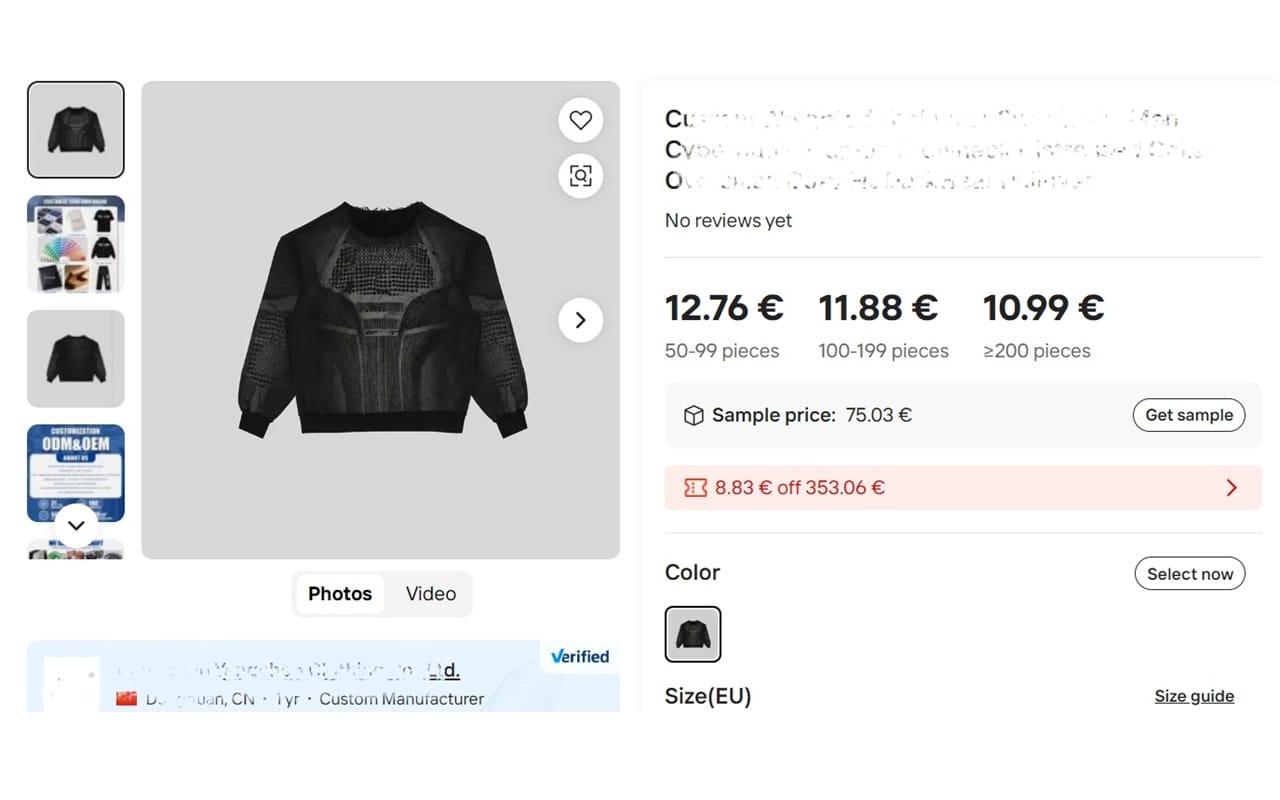
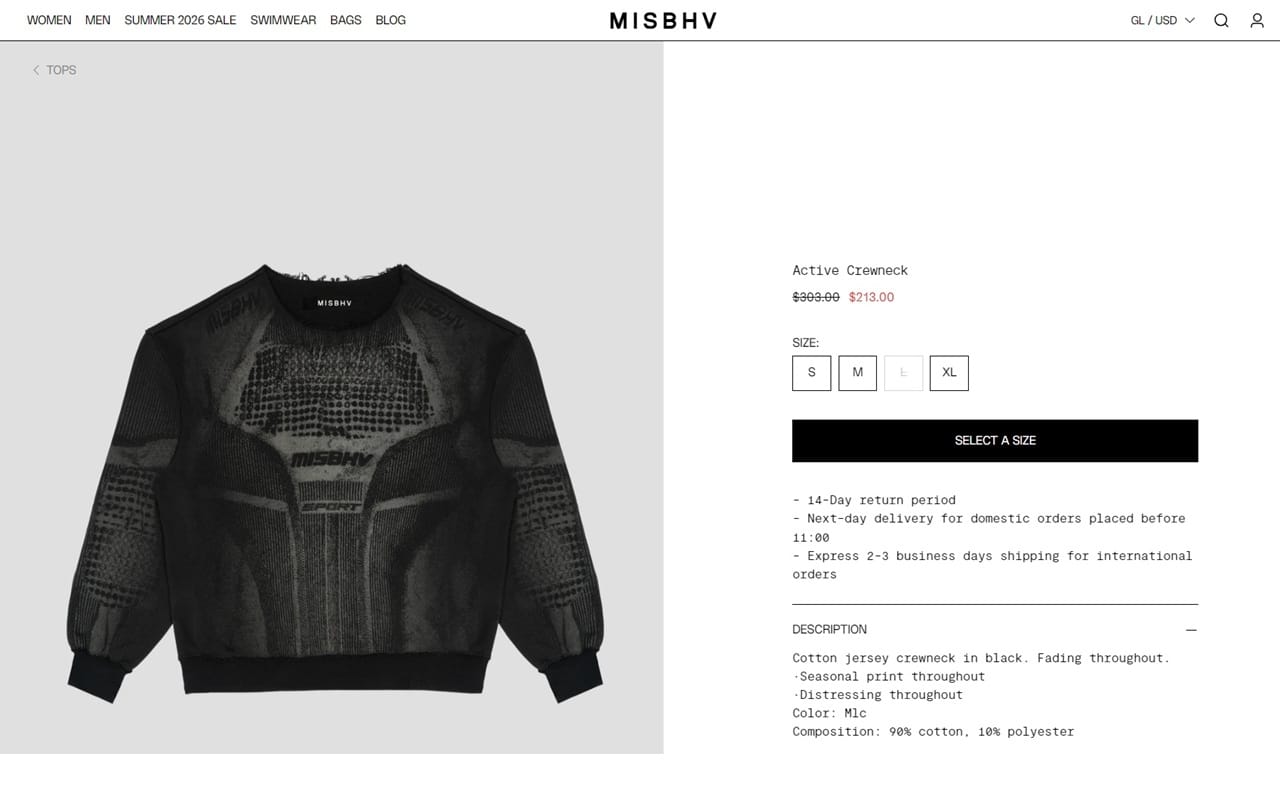
When we think of counterfeit luxury, heritage French or Italian fashion houses like Louis Vuitton, Gucci, or Prada usually come to mind. However, the modern replica market hits “modern luxury” brands with full force. A perfect example of this is the Polish brand MISBHV, which has achieved global cult status. The scale of this operation and the sheer audacity of counterfeiters have reached a whole new level: Asian factories no longer hesitate to directly copy unique designs, copyrighted logos, and even the model names themselves.
Audacity in the Spotlight: Logos on Display
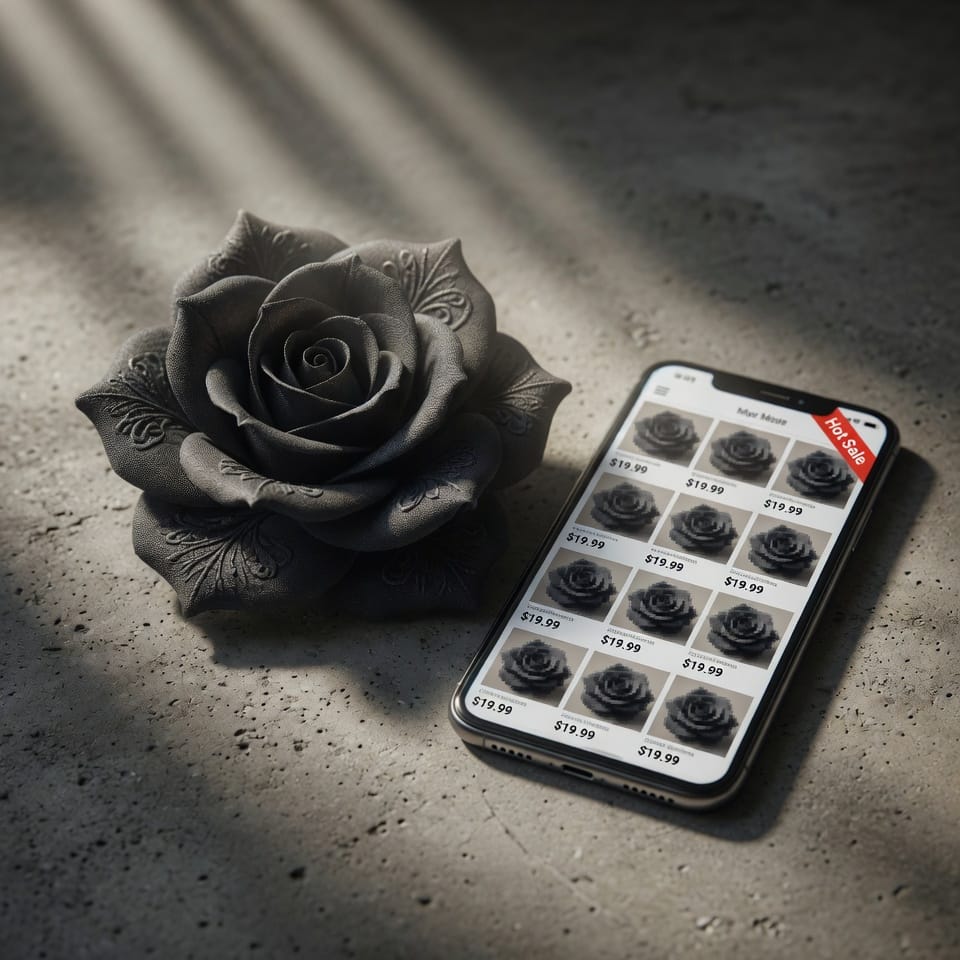
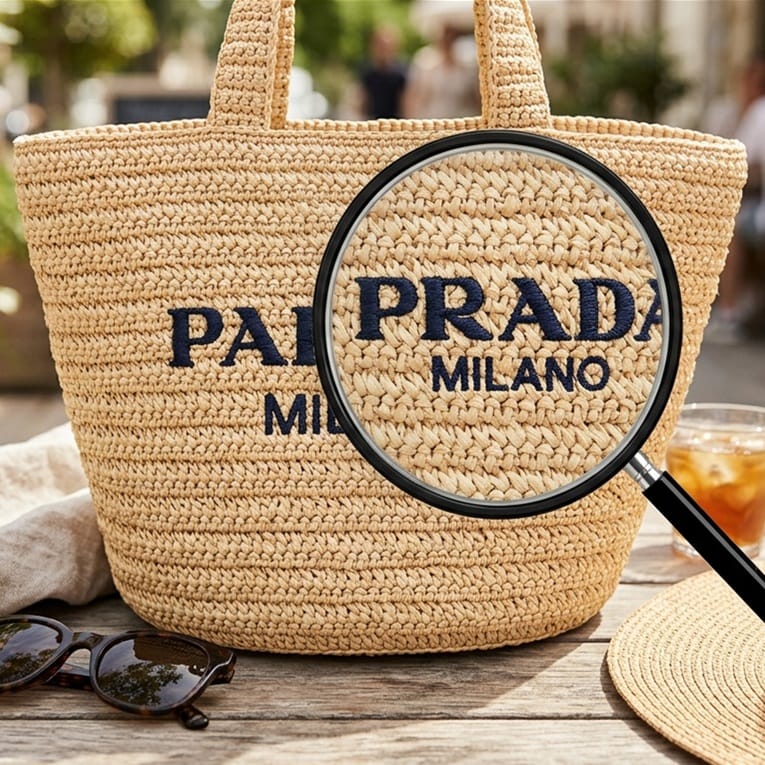
Traditional anti-counterfeiting efforts relied on a game of cat-and-mouse—counterfeiters would blur out logos in listing images or alter names to evade system bans. Today’s reality on platforms like Alibaba and AliExpress, however, is a display of absolute, public impunity. Replica manufacturers mass-produce MISBHV’s most iconic designs, displaying copyrighted logos without a single shred of hesitation.
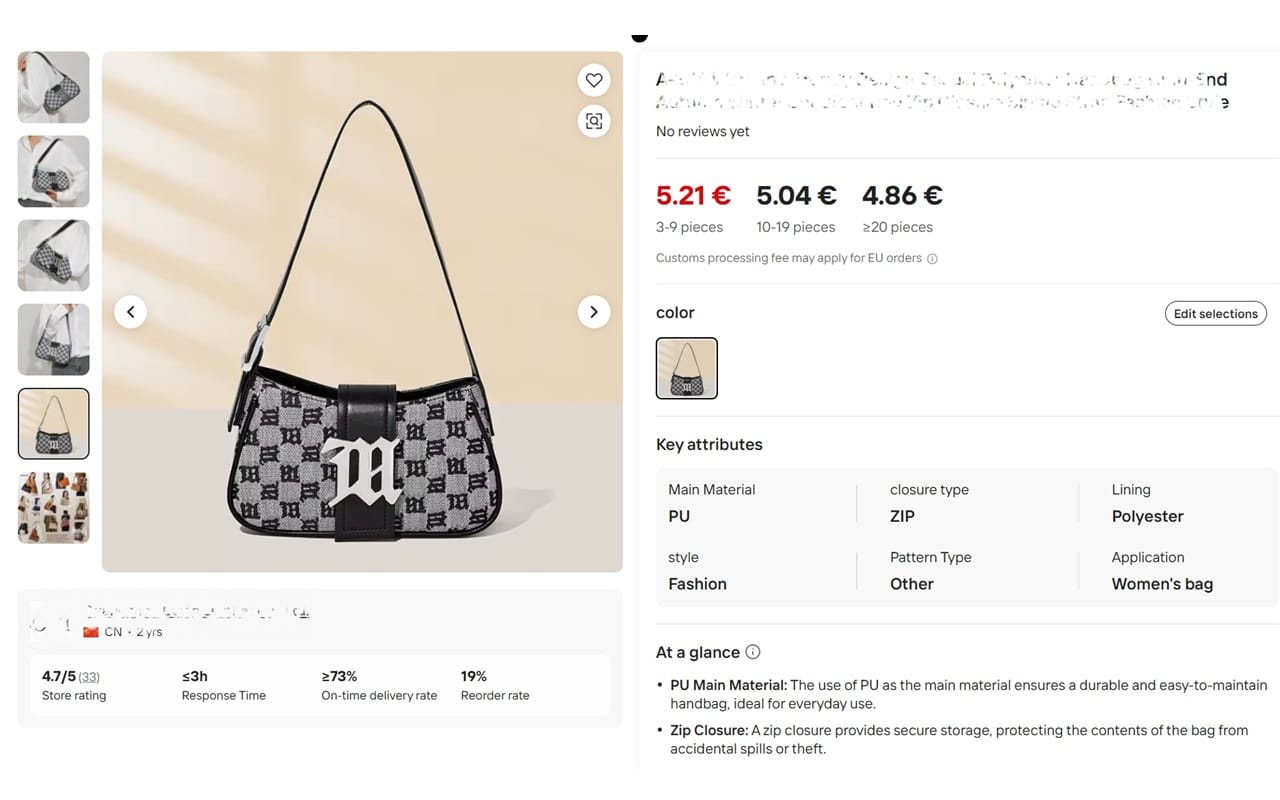
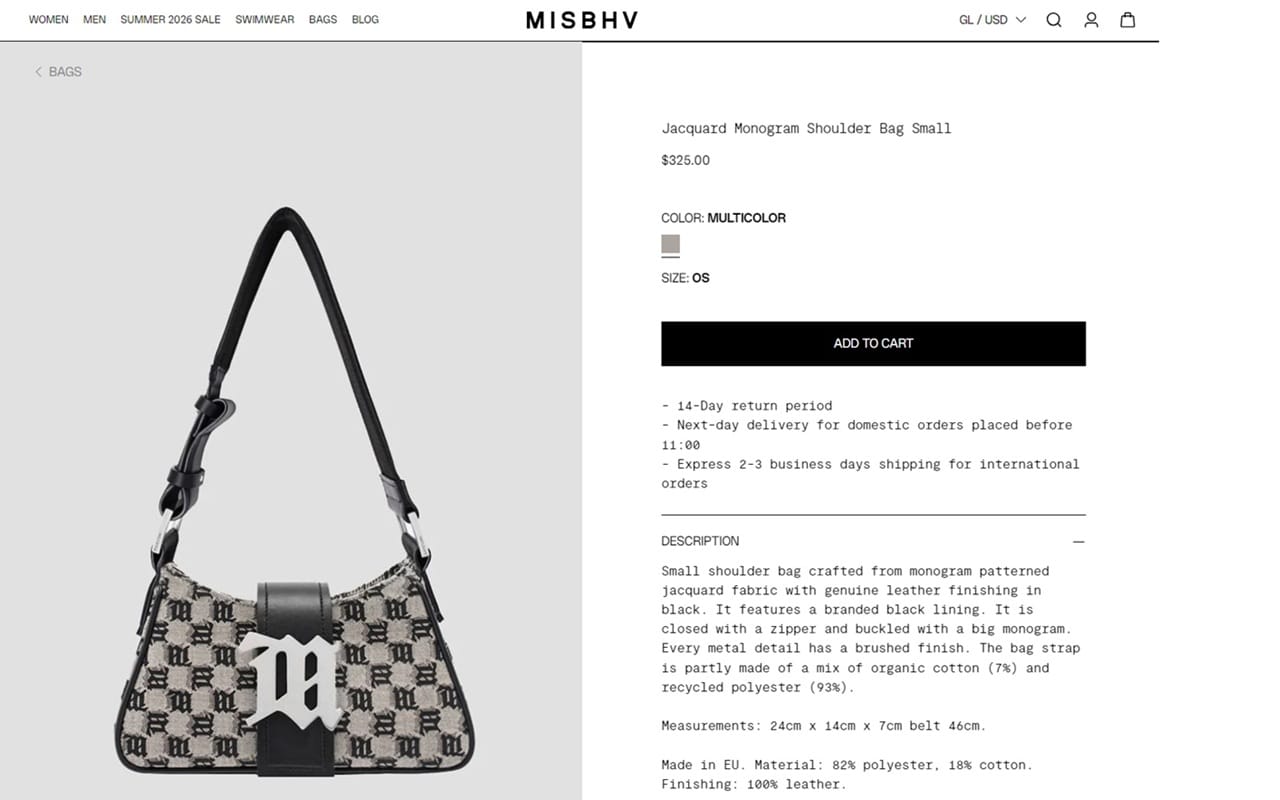
The visual accuracy of these products is so high that an everyday consumer, without a direct, side-by-side material comparison – stands zero chance of spotting the fraud at first glance.
The Ricochet Effect:
How Replicas Destroy Brand Reputation
Financial losses from illegally sold units are just the tip of the iceberg. The true nightmare for premium brands unfolds within their image and reputation.
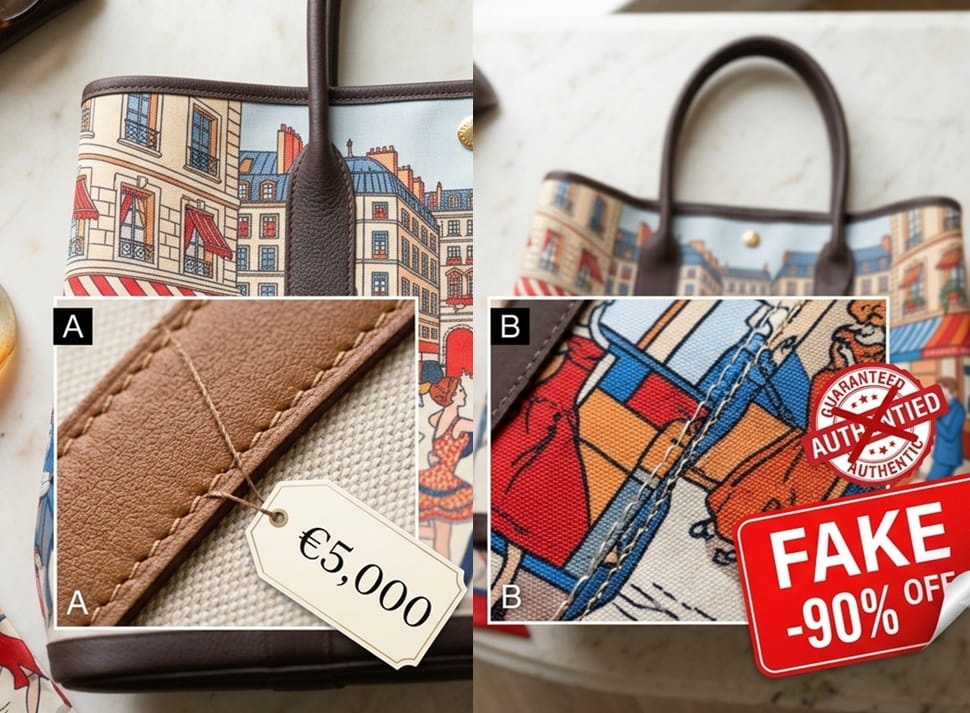
Chinese replicas look nearly identical to the original only in photos or on the day of purchase. However, they are manufactured using the cheapest, lowest-quality synthetics, poor threading, and unstable dyes. As a result, the “jacquard” bag frays within a month, the sweatshirt seams burst during the first wash, and the t-shirt print peels off in chunks. What happens next?
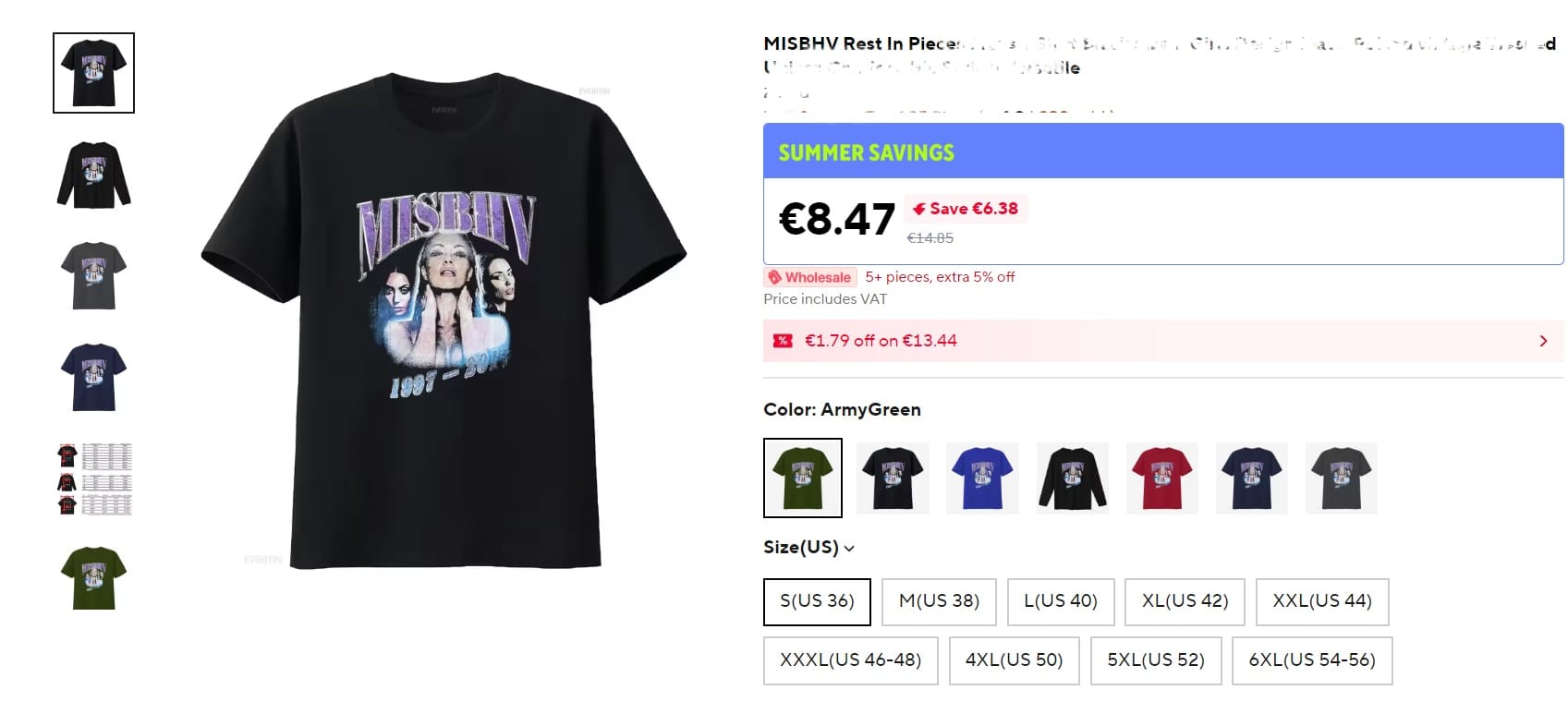
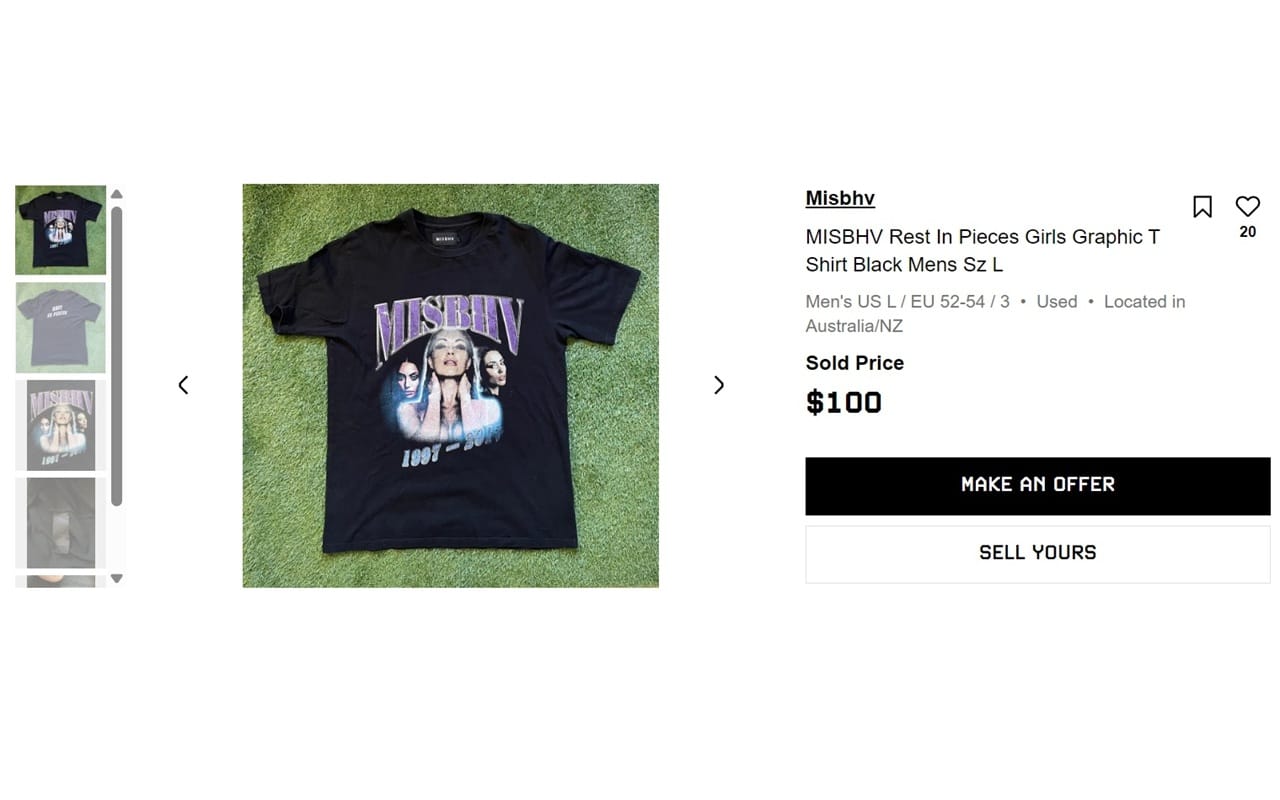
The Internet Trap
A disappointed user rarely holds themselves accountable for buying a knockoff from an unverified source (often doing so unknowingly). Instead, they take to social media: TikTok, Instagram, or online forums and post: “I bought a MISBHV bag/sweatshirt and it fell apart after two months! What cheap garbage, totally not worth the price.”
Insights Summary
In the digital landscape, it is incredibly difficult to prove that the product in a negative review is actually low-grade junk from a Chinese factory rather than an authentic piece from the Polish fashion house. The image of the ruined counterfeit spreads globally as alleged “proof” of the original brand’s “poor quality”. In this way, the audacity of counterfeiters inflicts a double blow: first, they steal the brand’s intellectual property, and finally, they infect the internet with false narratives, tarnishing the reputation that European designers spent years of hard work to build.