




Legitam Insights:
Scale, Psychology, and the Gen-Z Shift

Over $110 billion
fake items confiscated
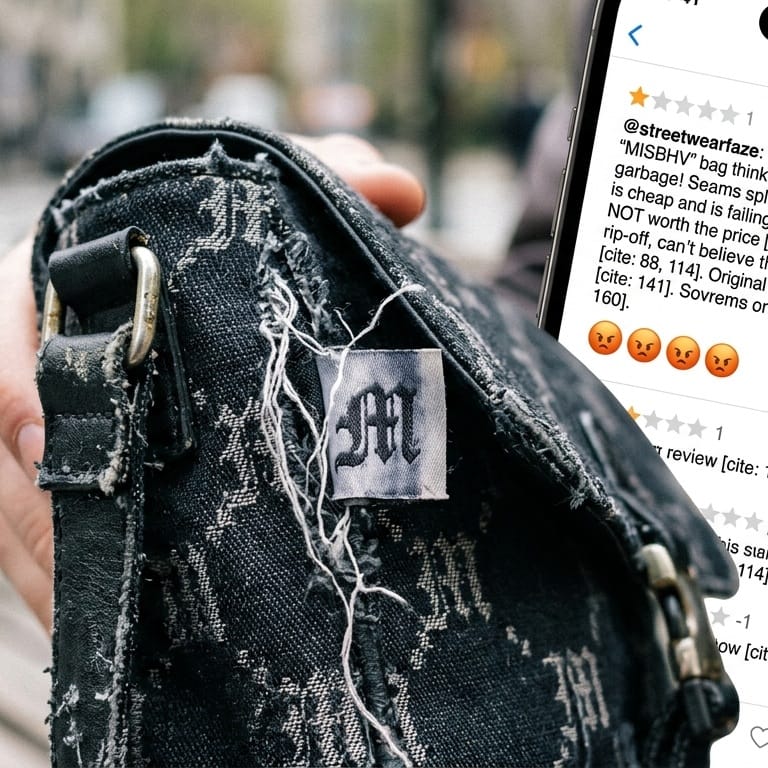
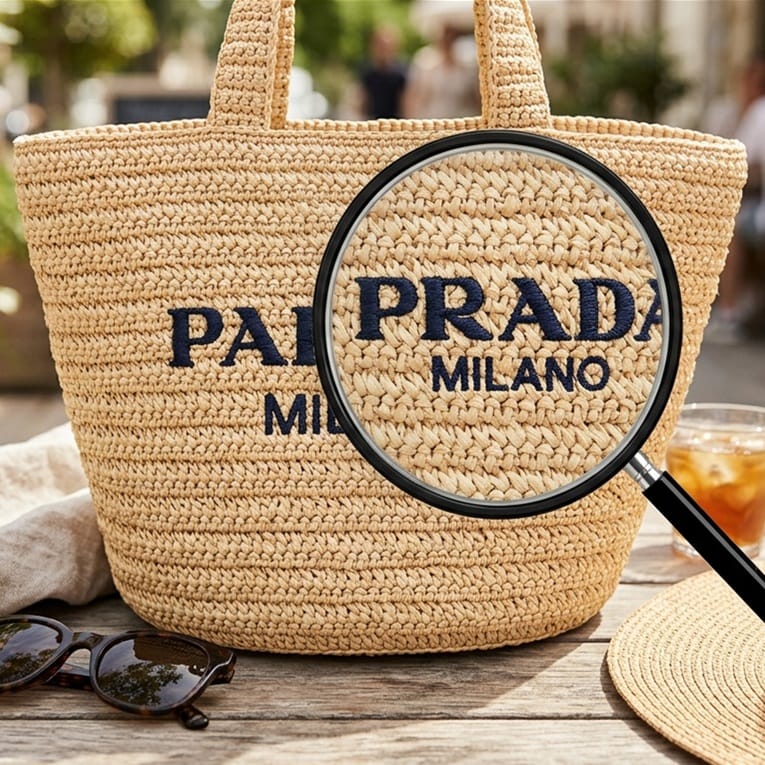
“A major challenge in the luxury fashion market is the proliferation of counterfeit products, which damages brand equity and reduces consumer trust. In 2024, counterfeit luxury goods represented approximately 8% of global fashion transactions, with over $110 billion worth of fake items confiscated in raids globally. Online platforms, especially those lacking robust verification systems, contributed to 65% of these counterfeit transactions. Luxury watchmakers and accessory brands experienced the highest rates of infringement, with 20% of consumers unknowingly purchasing fake items.“
56,769 counterfeit accounts
active on Instagram
The staggering 341% surge in counterfeit social media activity demonstrates an aggressively scaling digital threat, where the flood of millions of fake posts and stories per month systematically dilutes the perceived exclusivity and aspirational value of luxury brands.
“In this study we identified 56,769 counterfeit accounts active on Instagram, with a growth of more than 171% when compared to three years ago (20,892 counterfeit accounts).(…)
In 2016 these counterfeit accounts published a total of 14.5 million posts while in 2019 they published more 64 million posts and an average of over 1.6 million Stories every month – a growth of more than 341% when compared to three years ago. “
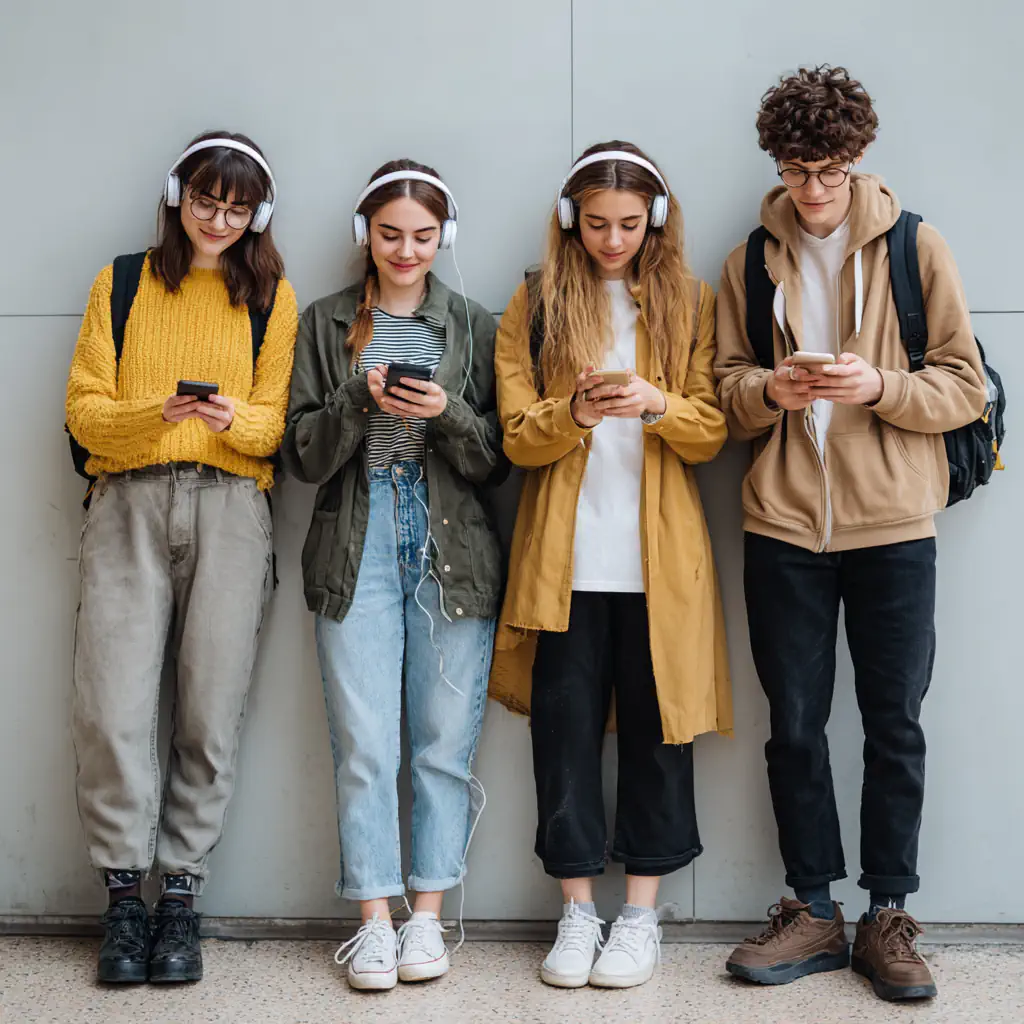
50% of GEN-Z agree is acceptable to purchase counterfeit
The normalization of counterfeit luxury among younger demographics, with 50% of 15 to 24 year olds justifying replicas as an acceptable alternative to high-priced originals, poses a systemic threat to the long-term exclusivity and aspirational value of premium brands.
“The degree of acceptance of these reasons varies with age. In general, younger consumers are more likely to be open to justifications for purchasing counterfeit goods, especially in relation to financial arguments. For instance, 50 % of those aged between 15 and 24 agree or tend to agree that it is acceptable to purchase counterfeit products when the price of the original product is too high and 41 % say it is acceptable to buy counterfeit luxury products“
Blockchain authentication tools
doesn't work
“Despite investment in blockchain and product authentication tools by over 45% of top luxury brands, the continued spread of high-quality replicas poses a restraint on market expansion.” , Market Growth Reports, 2025

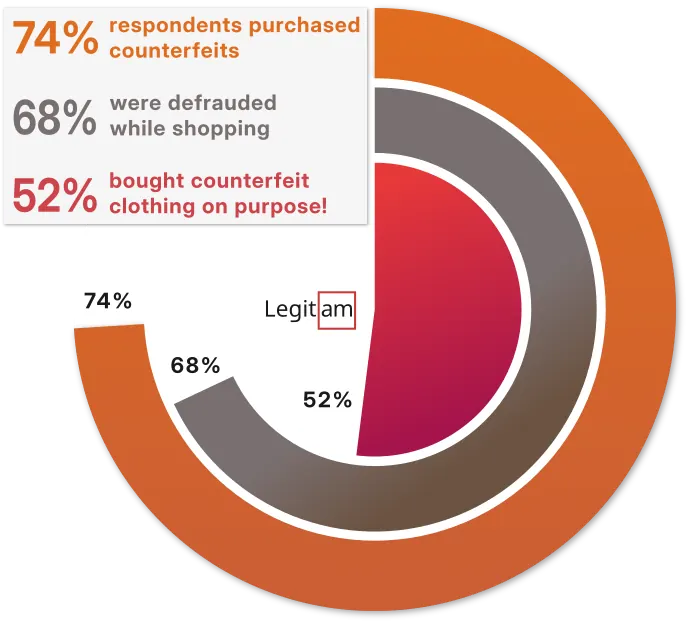
52% of customers intentionally bought a fake product.
“Consumers were more likely to have bought counterfeit goods (deceptively and non-deceptively) in the past and have intentions to do it in the future if:
-they had positive attitudes toward counterfeit purchasing,
-they believed that their peers in the country, town, or the Internet (distal reference groups), as well as close friends and family (proximal reference groups) accepted this behavior and engaged in it.” (…)
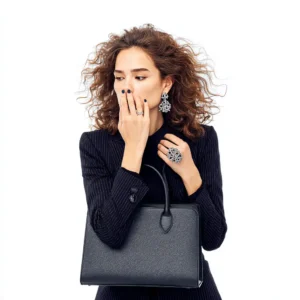
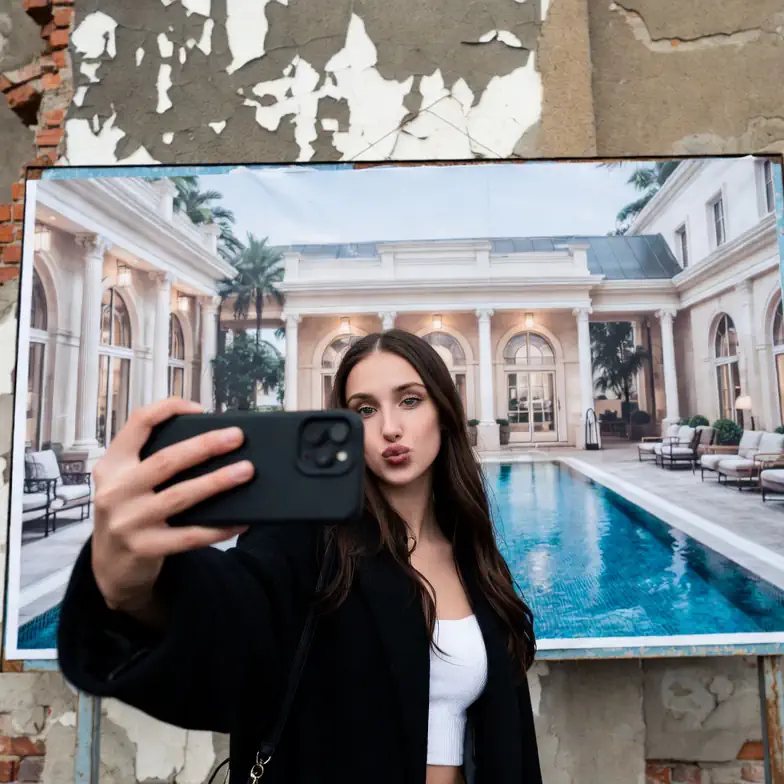
While price-sensitive consumers often turn to replicas to satisfy a desire for status, this choice is entirely contingent on social invisibility. For these buyers, a counterfeit only holds value as long as its true nature remains hidden from the world.

The psychological barrier to owning a counterfeit is defined not by the judgment of strangers, but by the scrutiny of those closest to us. The discomfort of exposure occurs only within one’s inner circle and only they are capable of shifting a consumer’s choice toward authenticity to avoid social friction and loss of integrity.